
-
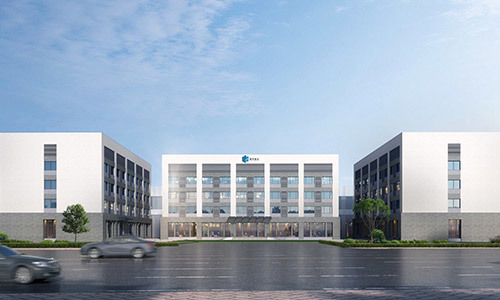 About LiM
LiM Laser is committed to providing global customers with advanced additive manufacturing equipment, supporting auxiliary equipment and 3D printing services.
-
 Products
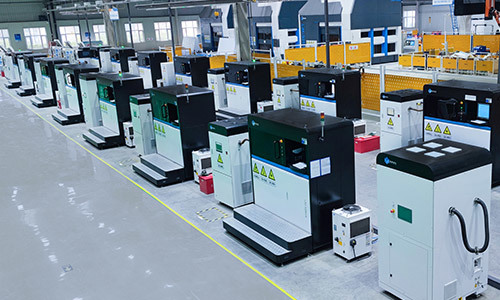
Radium Laser has independently developed LiM-X series of selective laser melting equipment, LiM-S series of coaxial powder feeding equipment, LiM-R series of laser cladding equipment and customized equipment for special industries.
-
 Solution
Radium Laser provides differentiated metal 3D printing solutions for different industries, focusing on user needs and continuing to create greater value for users.
-
 Service Support
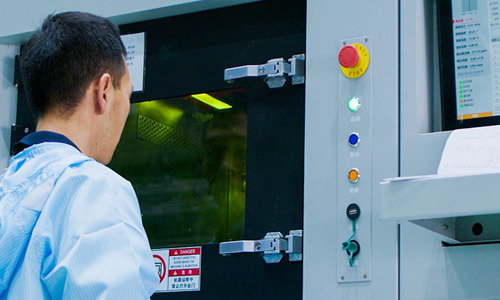
Radium laser with a professional team, rapid response, efficient service to provide users with applications and technical support services.
-
 News
NewsRadium bright laser at any time access to the latest information -- enterprise development, honor information, the latest achievements such.
-
 Marketing Dynamics
Focus on the industry event and share details of various activities of radium LiM Laser!
-
 Contact Us
Welcome to contact us for more information Tel: 86-022-27914042 18622468793
Metal 3D Printing Technology Empowers the Electric Transportation Industry
Author:
Time:2025-11-28
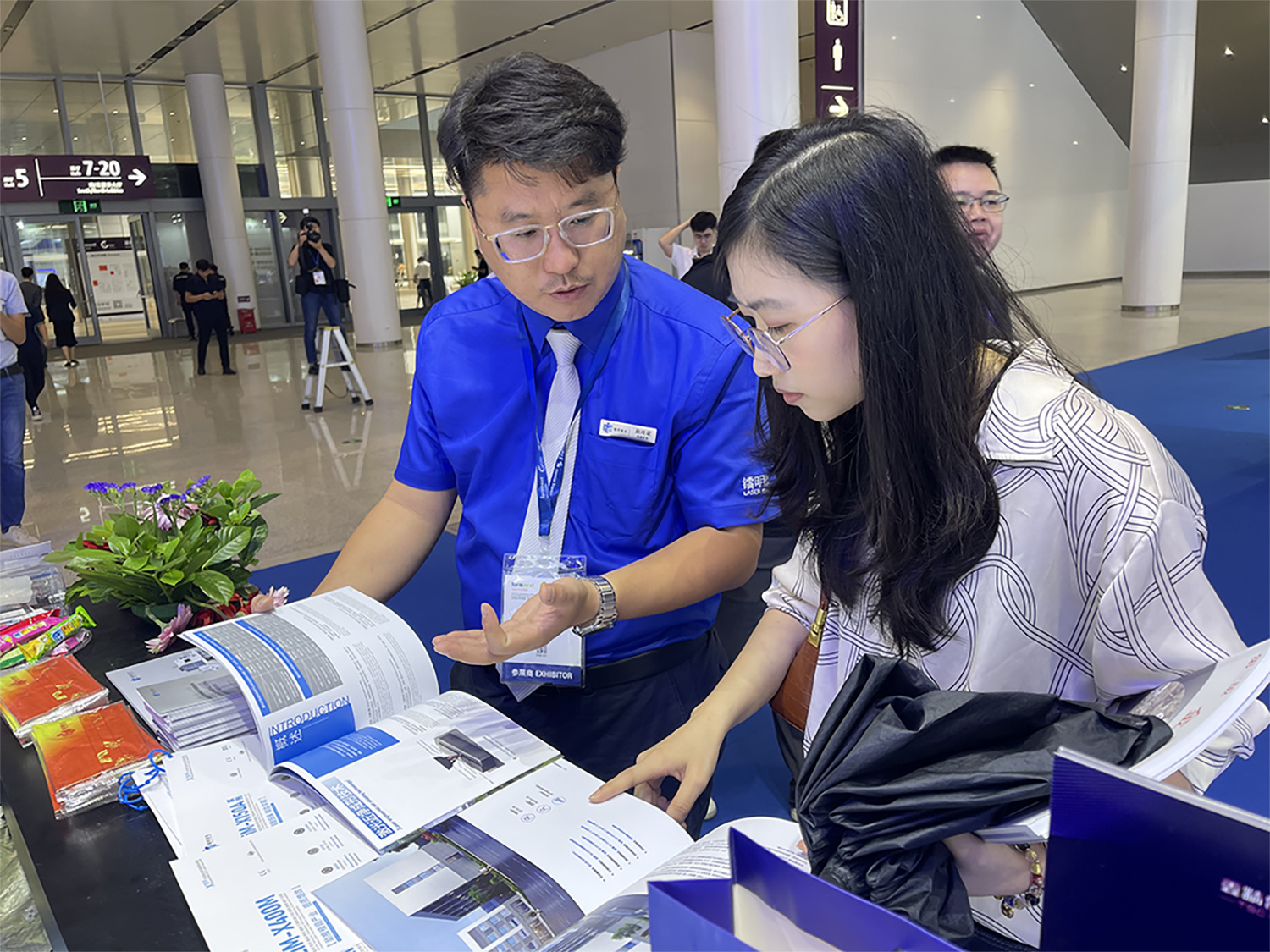
On October 30th, the Tianjin Industrial Innovation Development Cooperation and Matchmaking Conference was held at the National Convention and Exhibition Center (Tianjin), concurrently with the 2025 Smart Manufacturing and Power Electronics Technology Empowering Electric Transportation Industry Innovation Conference. LiM Laser, a leading company in Tianjin's metal additive manufacturing industry, was invited to participate, engaging in thematic discussions and business negotiations with guests from various sectors.
This conference brought together representatives from numerous domestic and international upstream and downstream enterprises, universities, research institutions, and industry associations. Participants discussed industry development trends and innovation paths related to building an innovative ecosystem for the electric transportation industry.
At the forum on "Advanced Manufacturing Technology Empowering Innovation in the Electric Transportation Industry," Cheng Jinze, Assistant General Manager of LiM Laser, delivered a speech entitled "Metal Additive Manufacturing Helps Innovative Development in the Automotive Sector," sharing the latest achievements and practical cases of metal 3D printing technology in the automotive manufacturing field.

LiM Laser possesses rich technical accumulation and practical experience in the field of metal 3D printing, leveraging its self-developed LiM-X series SLM equipment to bring innovative breakthroughs to automotive parts manufacturing.

Wheel hubs are crucial safety components in automobile manufacturing. Their quality and reliability directly impact vehicle and passenger safety, while also affecting ride stability and comfort. Titanium alloys offer significantly superior strength-to-weight ratios and corrosion resistance compared to aluminum alloys, making them an ideal material for wheel hub production. LiM Laser uses its LiM-X650 equipment to print titanium alloy automotive wheel hubs. Through optimized structural design, overall strength is enhanced. Compared to traditional casting and forging processes, one-piece molding effectively shortens the process chain and saves raw materials, laying a solid foundation for the large-scale application of 3D printing technology in the automotive manufacturing sector.
Furthermore, metal 3D printing technology also demonstrates significant advantages in mass production.

For example, a custom-designed LiM-X800 automotive connecting frame, printed across its entire width, measures approximately 40mm × 120mm × 130mm. Employing an 80μm layer thickness process, 240 automotive connecting frames were printed in just 112 hours, achieving efficient multi-layer batch printing. This reduces the production cycle by 20% and production costs by over 60%, effectively improving the efficiency of automotive parts manufacturing.

Metal 3D printing technology enables the rapid creation of conceptual models and functional prototypes, optimizing mold-making time and reducing processing steps, thereby significantly shortening product development cycles and lowering costs. LiM Laser has provided comprehensive metal 3D printing solutions to numerous automotive industry users, supporting product R&D and testing, and offering them more development opportunities.
In the future, LiM Laser will continue to focus on technological advancements, pushing application boundaries, and continuously developing and iterating metal 3D printing equipment, contributing reliably to the innovative development of the automotive manufacturing industry.
Related Articles
Market Activity

