
-
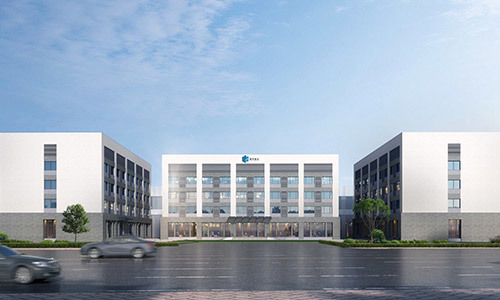 About LiM
LiM Laser is committed to providing global customers with advanced additive manufacturing equipment, supporting auxiliary equipment and 3D printing services.
-
 Products
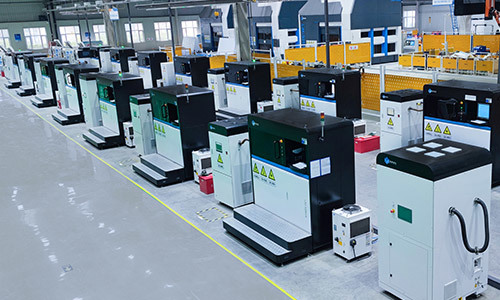
Radium Laser has independently developed LiM-X series of selective laser melting equipment, LiM-S series of coaxial powder feeding equipment, LiM-R series of laser cladding equipment and customized equipment for special industries.
-
 Solution
Radium Laser provides differentiated metal 3D printing solutions for different industries, focusing on user needs and continuing to create greater value for users.
-
 Service Support
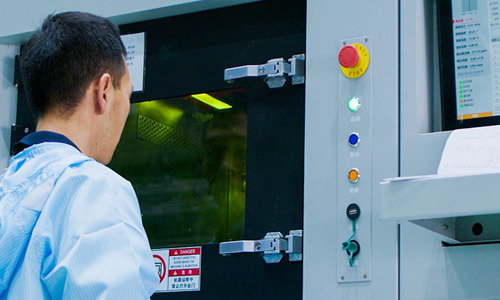
Radium laser with a professional team, rapid response, efficient service to provide users with applications and technical support services.
-
 News
NewsRadium bright laser at any time access to the latest information -- enterprise development, honor information, the latest achievements such.
-
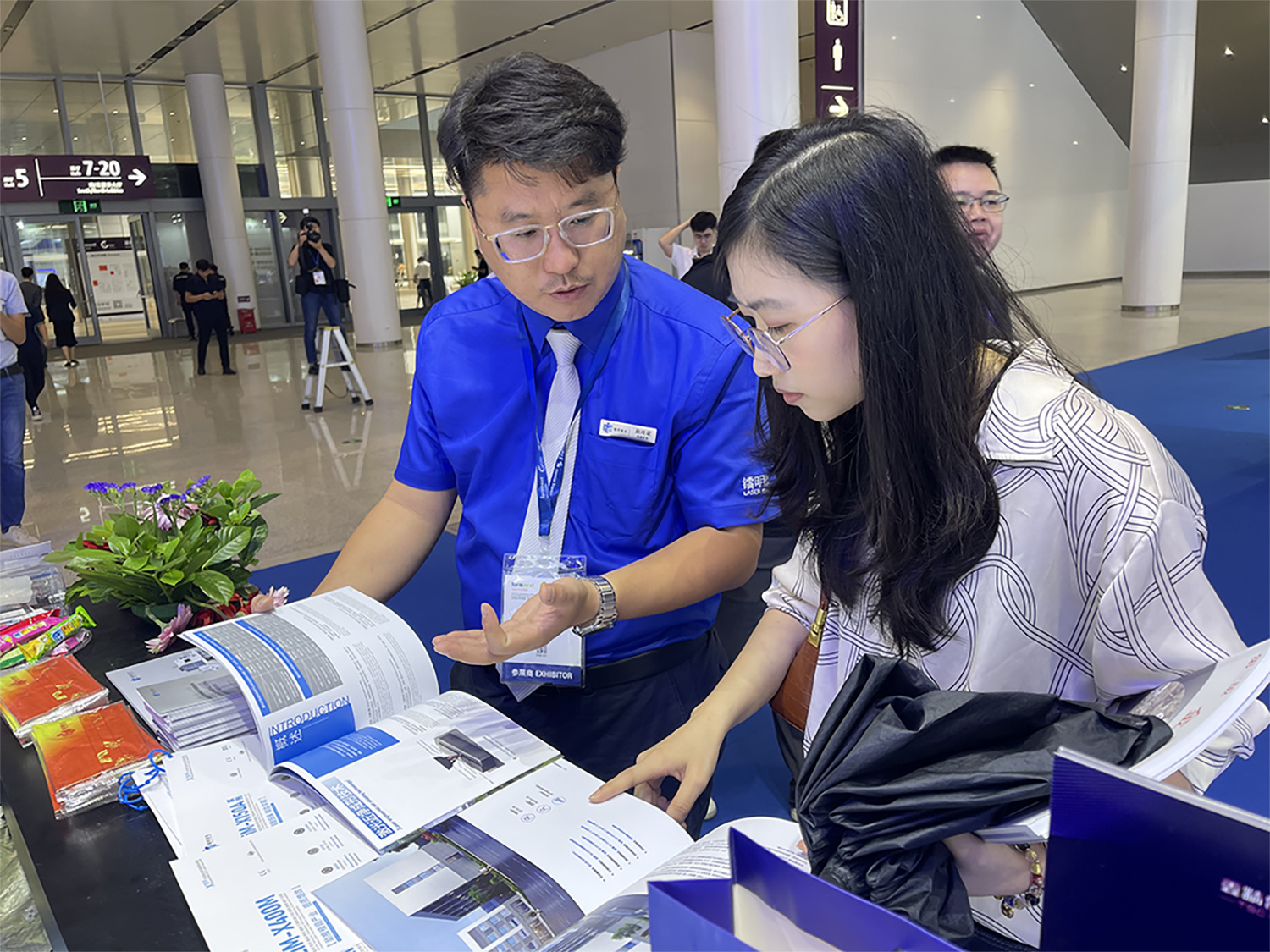 Marketing Dynamics
Focus on the industry event and share details of various activities of radium LiM Laser!
-
 Contact Us
Welcome to contact us for more information Tel: 86-022-27914042 18622468793
The Source of Quality, the Anchor of Demand: LiM Laser Achieves Precision Design and Manufacturing Through Quality Function Deployment
Author:
Time:2025-09-19
In the field of metal 3D printing, equipment technical parameters such as printing accuracy and build speed are crucial indicators for evaluating the performance and advancement of equipment. However, real, specific user needs are also a crucial driver of LiM Laser's continuous technological advancement and equipment iteration.

LiM Laser scientifically utilizes the systematic approach of QFD (Quality Function Deployment) to accurately translate customer needs into the equipment's technical features and functional designs, ensuring that products closely align with real-world user scenarios from the earliest stages of development.
QFD: A Systematic Requirements Translation Method
QFD (Quality Function Deployment), originating in the 1970s, is a systematic, user-demand-driven approach to product design and quality assurance. We leveraged its core analytical tool, the "House of Quality," to systematically translate customer language into technical specifications:
- Customer Needs (left wall): Collect user requirements, such as print density, device stability, and ease of use;
- Technical Characteristics (ceiling): Translate vague user requirements into technical parameter characteristics;
- Relationship Matrix (room): Analyze the correlation between each requirement and the technical parameter;
- Target Values (floor): Based on this correlation analysis, set achievable target values for each technical parameter;
- Competitive Assessment (right wall): Compare the performance of mainstream products in meeting customer needs.
This process ensures that the R&D team addresses customer needs during the equipment design phase, preventing development from straying from actual user needs.
Practical Application of QFD in Equipment Development
During equipment development, LiM Laser aggregated user needs across various areas through interviews, research, and after-sales feedback. These needs were then translated into technical topics such as thermal uniformity control, multi-laser splicing accuracy, and gas flow optimization; reliability design and predictive maintenance development for key components; and functional design features such as modular powder tanks and automated powder cleaning processes.
Through a House of Quality analysis, the team prioritized resource investment in key influencing factors, strengthened technology R&D, and overall optimization to provide users with metal 3D printing solutions that better meet industry needs and precisely respond to market demands.
For example, the LiM-X1500H, a super-meter-class metal 3D printing system, is suitable for large-scale production in high-end manufacturing fields such as aerospace and energy power. The LiM-X400M series of solutions meets the full-chain needs of users in the consumer goods industry, from prototyping to mass production. Customized equipment tailored to user application scenarios and process requirements is also available. The successful development of each piece of equipment is inseparable from in-depth early-stage research, demand transformation, and coordinated collaboration across departments.
At LiM Laser, quality is not just a final checkpoint; it is integrated into the entire design and production process. We understand that each piece of equipment must not only possess advanced technical specifications but also truly respond to user needs. Metal additive manufacturing is a key engine for optimizing and upgrading traditional industries and nurturing and strengthening emerging ones. We will continuously accelerate technological innovation and strengthen quality management optimization to contribute further to the high-end, intelligent, and green development of the manufacturing industry.
Previous article
Related Articles
Market Activity

