

-
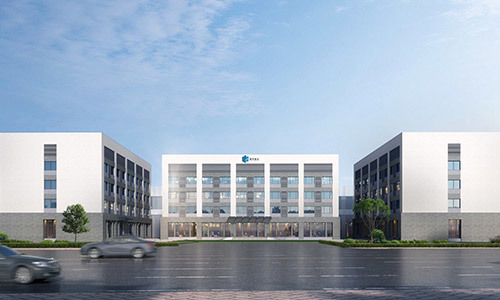 About LiM
LiM Laser is committed to providing global customers with advanced additive manufacturing equipment, supporting auxiliary equipment and 3D printing services.
-
 Products
Radium Laser has independently developed LiM-X series of selective laser melting equipment, LiM-S series of coaxial powder feeding equipment, LiM-R series of laser cladding equipment and customized equipment for special industries.
-
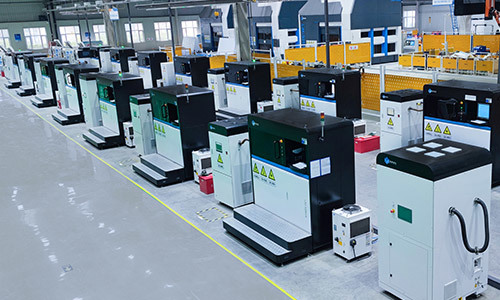 Solution
Radium Laser provides differentiated metal 3D printing solutions for different industries, focusing on user needs and continuing to create greater value for users.
-
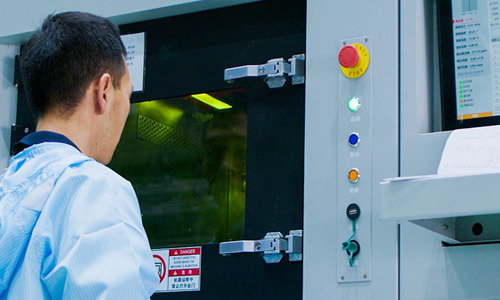 Service Support
Radium laser with a professional team, rapid response, efficient service to provide users with applications and technical support services.
-
 News
NewsRadium bright laser at any time access to the latest information -- enterprise development, honor information, the latest achievements such.
-
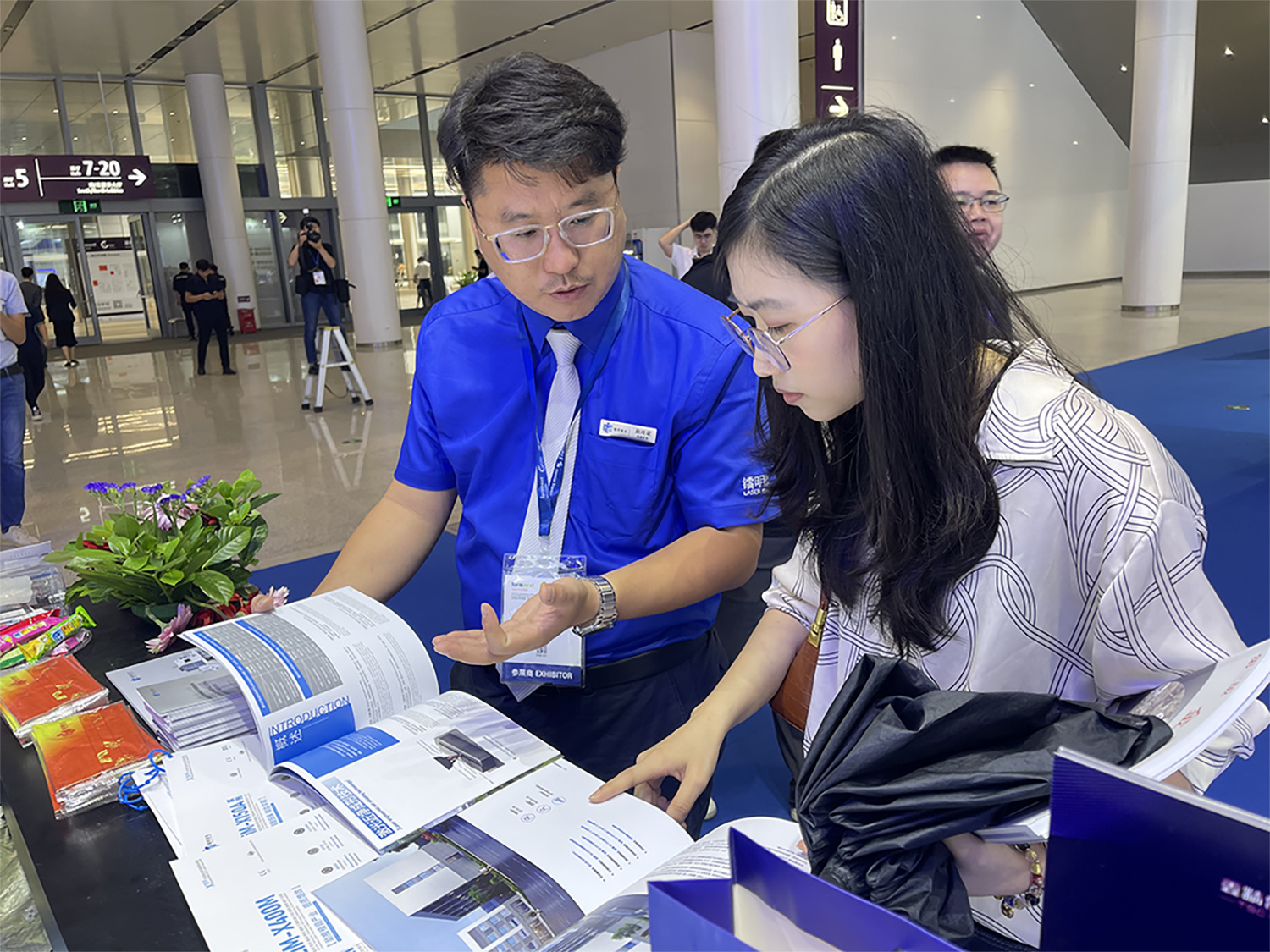 Marketing Dynamics
Focus on the industry event and share details of various activities of radium LiM Laser!
-
 Contact Us
Welcome to contact us for more information Tel: 86-022-27914042 18622468793
LiM Laser metal 3D printing helps achieve new breakthroughs in innovative solutions for space optical payload support systems
Author:
Time:2025-08-08
Space optical imaging systems use optical equipment in space to observe and study space and the Earth. These primarily include space telescopes and Earth observation remote sensing systems. Recently, Shanghai Jiao Tong University, addressing the need for lightweight support for suspended mirrors in space optical systems, innovatively proposed using metal 3D printing technology to fabricate the mirror support structure. LiM Laser provided critical equipment support for this research.
The suspended mirror support structure utilizes a cantilevered suspension design, with the entire mirror assembly positioned atop a calibration mechanism. To ensure the safe operation of the bottom movable mechanism, the total mass must be strictly controlled below 17 kg.

To meet this stringent design requirement, the research team performed topological optimization of the mirror support structure, significantly improving optimization accuracy by refining the cell mesh. After iterative optimization, the final mirror support structure design was determined: a skin thickness of 0.8 mm, a BCC lattice size of 6 mm × 6 mm × 6 mm, and a rod diameter of 0.6 mm. A 3 mm × 3 mm × 3 mm lattice was added to local stress concentration areas (such as the base mounting holes and the suspension neck). Localized reinforcement ribs were added to weak points on the base, effectively increasing base rigidity.

The final 3D-printed mirror support structure weighs only 6.5 kg, keeping the total mirror assembly weight under 16.5 kg. Finite element model simulation analysis of the entire assembly showed that all indicators met the requirements.
LiM Laser metal 3D printing equipment provided strong support for the smooth progress of the research. Using the LiM-X800 machine, the team researchers used titanium alloy to print the mirror support structure in an integrated manner. Testing showed that the maximum global deformation of the printed product was 1.5 mm, and deformation at the processing location was less than 1 mm, both within the processable range.

The printed support structure was applied to the reflector assembly for actual testing. The results showed that the reflector rotation angle was less than 6″ before and after the test, and the rigid body displacement was less than 0.02 mm, all of these variations are within the optical alignment error range. The test results demonstrate that the 3D printing support structure exhibits stable mechanical properties and high specific stiffness, successfully addressing the challenges of stiffness matching and lightweight design in the suspension support of irregular-shaped mirrors, providing an innovative solution for space optical payload support systems.
The LiM-X800 utilizes a three-station design for forming, powder cleaning, and part removal, offering convenient operation. It comes standard with six lasers, with optional options for eight or ten. Its long-lasting filtration system features backflush functionality and uses filters with a lifespan exceeding 100,000 hours, ensuring uninterrupted printing. The machine can also be equipped with a powder bed monitoring system for real-time monitoring of the powder layer and fusion quality of each layer, significantly improving the stability of the printing process and enabling the efficient production of workpieces that meet specific requirements.
As a representative example of the innovative future of industrial machine tools, metal 3D printing equipment plays a vital role in accelerating product R&D, trial production, and design iteration in high-end manufacturing sectors such as aerospace, energy, and power. The successful participation in the forming and preparation of the space mirror support structure has further broadened the application scenarios of LiM Laser metal 3D printing technology in the aerospace field. In the future, we will continue to leverage our technological advantages, relying on high-quality equipment and excellent technical services to help users in more fields achieve breakthroughs.
Related Articles
Market Activity

