
-
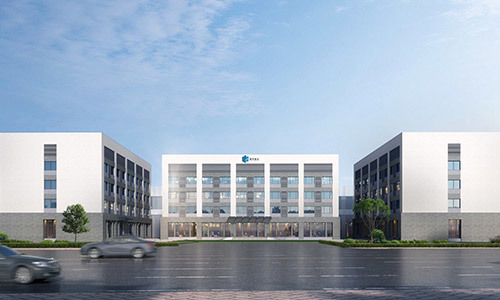 About LiM
LiM Laser is committed to providing global customers with advanced additive manufacturing equipment, supporting auxiliary equipment and 3D printing services.
-
 Products
Radium Laser has independently developed LiM-X series of selective laser melting equipment, LiM-S series of coaxial powder feeding equipment, LiM-R series of laser cladding equipment and customized equipment for special industries.
-
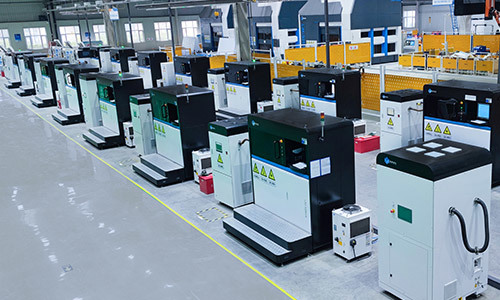 Solution
Radium Laser provides differentiated metal 3D printing solutions for different industries, focusing on user needs and continuing to create greater value for users.
-
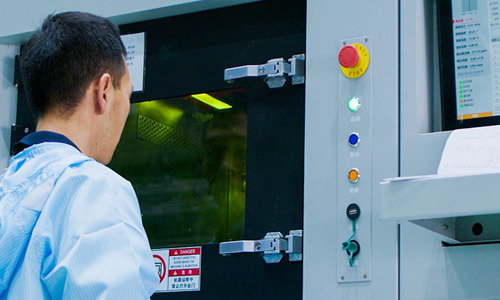 Service Support
Radium laser with a professional team, rapid response, efficient service to provide users with applications and technical support services.
-
 News
NewsRadium bright laser at any time access to the latest information -- enterprise development, honor information, the latest achievements such.
-
 Marketing Dynamics
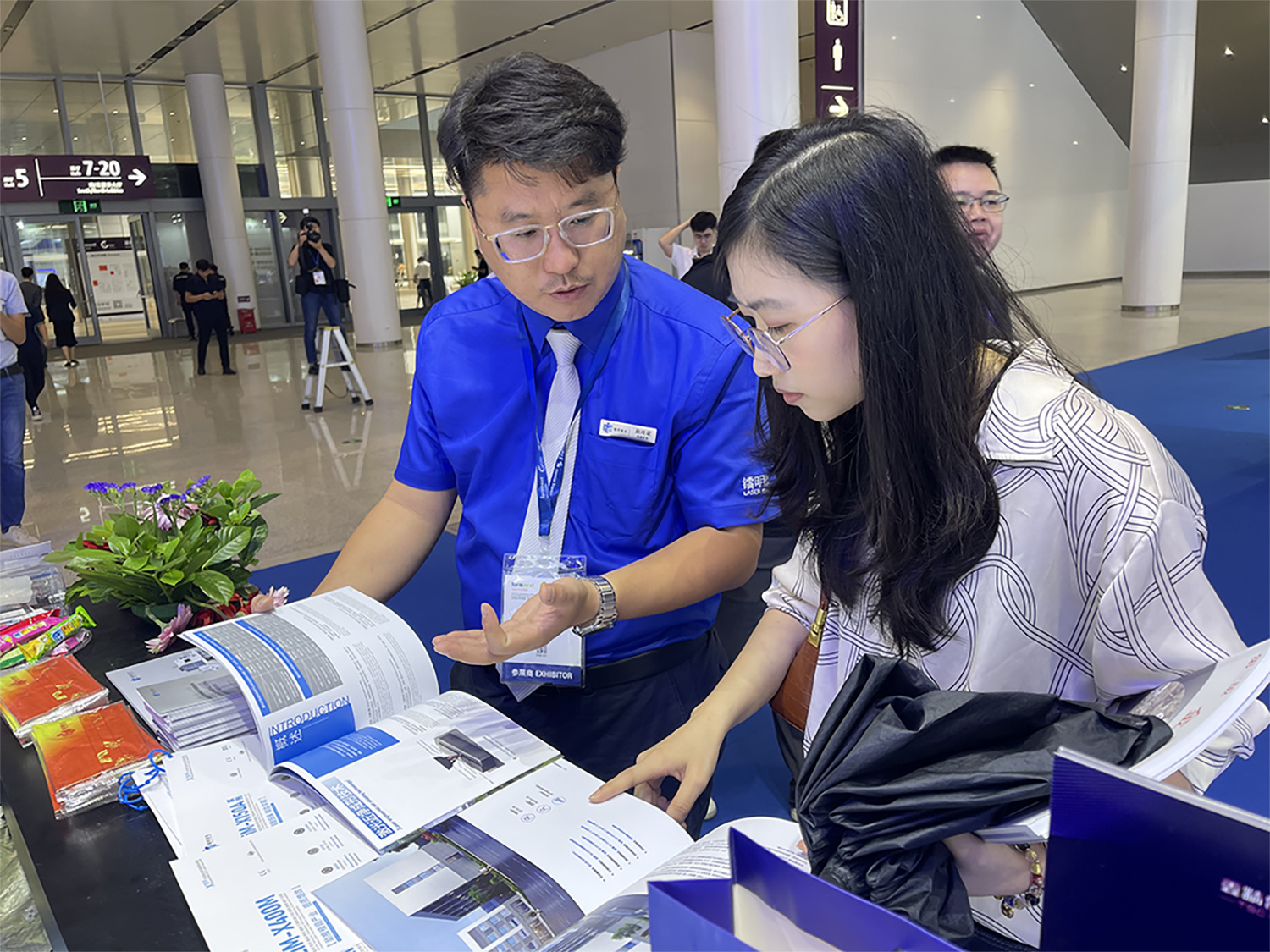
Focus on the industry event and share details of various activities of radium LiM Laser!
-
 Contact Us
Welcome to contact us for more information Tel: 86-022-27914042 18622468793
Higher, Faster, Stronger | LiM Laser Helps HI·LIGHT Upgrade Intelligent Bicycle Manufacturing
Author:
Time:2025-08-13
As green and low-carbon concepts gain traction and urban slow-moving systems become increasingly well-developed, cycling is evolving from a commuting tool to a means of fitness and social interaction. Cycling enthusiasts and professional competitors alike demand cycling equipment with greater strength, speed, and durability, presenting both challenges and opportunities for the design, development, and manufacturing of cycling equipment.
With a deep understanding of user needs, HI·LIGHT partnered with LiM Laser to explore metal 3D printing solutions for bicycle equipment manufacturing. This approach aligns material selection, structural design, and manufacturing processes, creating benchmark products that combine aesthetic design with high performance, meeting users' stringent requirements for weight, strength, and durability.
Titanium Alloy + 3D Printing: Reduce Costs, Improve Efficiency
Titanium alloy offers advantages such as high strength, light weight, excellent toughness, and corrosion resistance. However, its unique structure, low thermal conductivity, and severe work hardening are associated with it. Furthermore, its molecular adhesion is poor, making coloring difficult, making traditional manufacturing difficult and costly.
HI·LIGHT utilizes a customized LiM-X400 six-laser machine (build size 450mm × 450mm × 500mm), capable of directly and rapidly forming large, custom-shaped, thin-walled titanium alloy components. Compared to traditional subtractive manufacturing, this saves raw materials and reduces production costs, while also avoiding the risks of deformation and fatigue damage caused by residual welding stress.
For example, the UDH lifting lug, formed in one piece using 3D printing, is 15-20% lighter than traditional products, while also increasing overall strength by 15%. By adjusting the design to reduce localized strength, it is less susceptible to deformation or breakage during impact, providing effective cushioning and better protecting the rear derailleur.

Lightweight Design: Reduces Wind Drag, Achieves Racing Advantage
Metal 3D printing technology provides a core solution for improving bicycle racing performance. Utilizing topology optimization algorithms, HI·LIGHT adjusts component design based on actual force analysis, removing redundant material in non-load-bearing areas. This significantly reduces overall vehicle weight while maintaining structural strength. Lighter weight means less wind resistance at the same output, which, combined with a streamlined design, translates into a significant racing advantage. Calculations show that metal 3D-printed bicycles are approximately 20% lighter than traditionally manufactured products.

Metal 3D printing technology can be used to manufacture bicycle saddles, allowing for more openings in the bottom, reducing weight by 10-30% and increasing breathability by approximately 50%, while ensuring performance and strength meet design requirements, providing riders with a more comfortable riding experience.

High-end Customization + Mass Production: Rapid Market Response
Metal 3D printing technology allows for customized vehicle parts tailored to user riding habits and requirements, improving riding posture and helping users achieve stable performance. Furthermore, the high degree of customization, extremely short production cycles, and innovative design styles accelerate consumer response to brands.
Currently, HI LIGHT is actively promoting the use of metal 3D printing technology to fully replace traditional investment casting in the production of bicycle parts, achieving product weight reduction, integrated molding of complex structures, and high-end customization. Small-scale metal 3D printing equipment enables efficient manufacturing of single-piece or small-batch customized products, keeping production costs manageable and environmentally friendly. Medium- and large-scale metal 3D printing equipment enables continuous batch production, improving overall efficiency and making production more efficient and convenient.


Through this in-depth collaboration, LiM Laser has consistently explored diverse application scenarios for metal 3D printing technology. These efforts demonstrate the enormous potential of 3D printing technology in the manufacturing of customized, high-performance sports equipment.
In the future, we will continue to work together to leverage the advantages of metal 3D printing technology and drive bicycle manufacturing into a new era.
Related Articles
Market Activity

