
-
 About LiM
LiM Laser is committed to providing global customers with advanced additive manufacturing equipment, supporting auxiliary equipment and 3D printing services.
-
 Products
Radium Laser has independently developed LiM-X series of selective laser melting equipment, LiM-S series of coaxial powder feeding equipment, LiM-R series of laser cladding equipment and customized equipment for special industries.
-
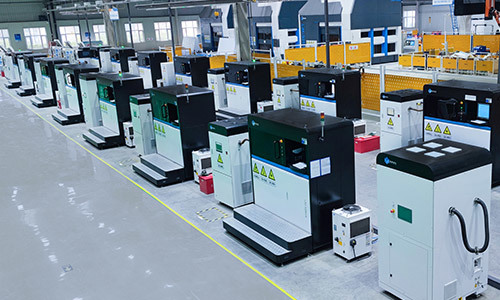 Solution
Radium Laser provides differentiated metal 3D printing solutions for different industries, focusing on user needs and continuing to create greater value for users.
-
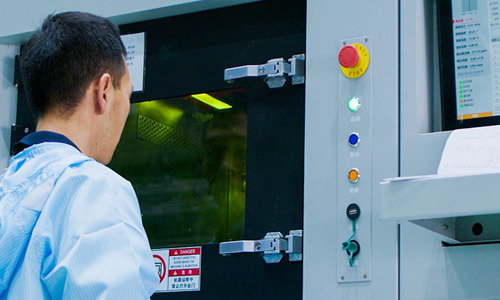 Service Support
Radium laser with a professional team, rapid response, efficient service to provide users with applications and technical support services.
-
 News
NewsRadium bright laser at any time access to the latest information -- enterprise development, honor information, the latest achievements such.
-
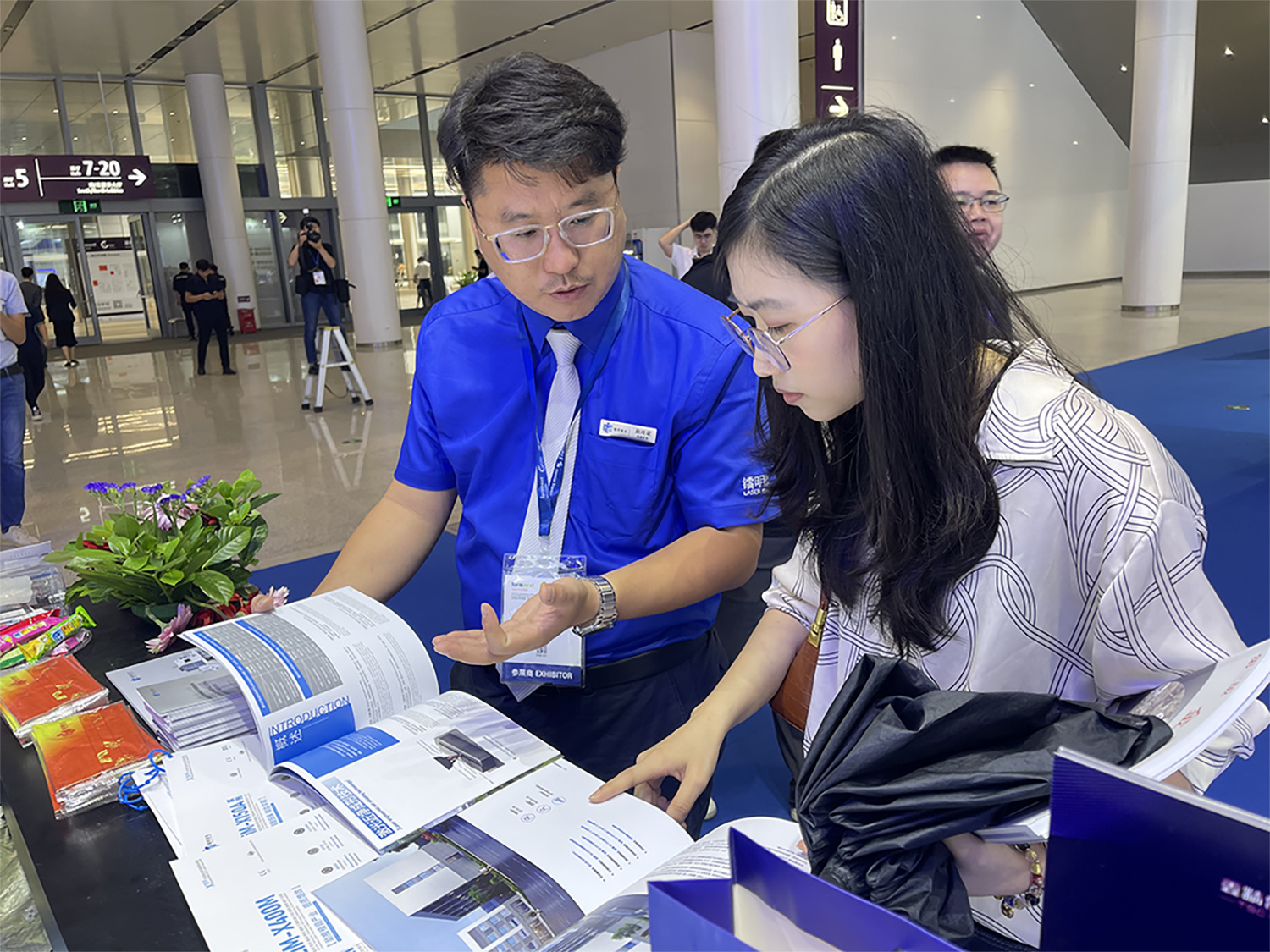 Marketing Dynamics
Focus on the industry event and share details of various activities of radium LiM Laser!
-
 Contact Us
Welcome to contact us for more information Tel: 86-022-27914042 18622468793
LiM Laser empowers the aerospace and automotive manufacturing industries, accelerating the efficient and intelligent manufacturing of core components.
Author:
Time:2025-08-06
Metal 3D printing technology is reshaping the high-end manufacturing landscape at an unprecedented pace, gradually penetrating from strategic sectors such as aerospace and energy and power to industries such as automotive and machinery manufacturing. Responding to the demand for high-quality and efficient production of large, complex metal components across various sectors, LiM Laser leverages its extensive technical expertise and industry experience to provide users with efficient and reliable solutions.
Since its launch, the LiM-X650/650H has quickly taken root in the aerospace and automotive manufacturing sectors thanks to its large build volume, multi-laser configuration, and stable printing performance. It offers diverse application scenarios and accelerates the industry's development towards intelligent and flexible manufacturing.

Fully Empowering the Development of the Aerospace Manufacturing Industry
Metal 3D printing technology demonstrates tremendous potential in the aerospace manufacturing industry, bringing unprecedented transformation and innovation to the industry.
- Cost Reduction and Efficiency Improvement: Improving Manufacturing Economics
Metal 3D printing technology eliminates the time and cost of mold manufacturing, directly streamlining the production process. Material utilization rates far exceed those of traditional subtractive manufacturing, significantly reducing raw material costs. Integrated part manufacturing reduces the number of individual parts and assembly steps, shortening manufacturing cycles, lowering production costs, and improving overall economics.
- Lightweighting: Simplifying Complexity and Improving Performance
Aerospace products have high requirements for lightweighting. Metal 3D printing technology, combined with topological optimization design, enables efficient manufacturing of biomimetic, lattice, and lattice structures. While maintaining the original structural strength, it significantly reduces component weight, providing aerospace products with higher carrying efficiency and enhanced maneuverability.
- Design Freedom: Accelerating Iterative Optimization
Metal 3D printing technology grants engineers unprecedented design freedom. Free from the geometric constraints of traditional casting, forging, and machining processes, it allows for the direct formation of complex structural components. This significantly shortens the production cycle from concept design to final product, achieving "design-as-manufacturing" and effectively accelerating the R&D and verification cycle for aerospace products.
Taking the LiM-X650 machine as an example, a one-piece aerospace module was printed using a lightweight, high-strength aluminum alloy. Topology optimization was used to enhance the structural performance of the part, and a localized lattice structure was designed to eliminate redundancy, achieving lightweighting.

High-strength aluminum boasts low density and high strength, but the printing process also presents challenges such as low density and a high tendency to crack. LiM Laser comprehensively optimized process parameters, resolving the pain points and difficulties in the integrated manufacturing of large, complex, high-strength aluminum alloy parts, resulting in excellent finished product appearance.
The LiM-X650 machine has repeatedly provided strong technical support to users, helping projects achieve significant results. During the development of a rocket engine, the team thoroughly analyzed the structural characteristics and process requirements of the parts, leveraging the advantages of the LiM-X650 machine to print a variety of key components.
In a series of rocket engine projects with a commercial aerospace user, the LiM-X650 machine was used to produce large, easily deformable, and complex structural components, contributing to significant progress in structural integration and thrust performance improvements for the engine series.
The LiM-X650H machine boasts an increased Z-axis build height of 1580mm. It utilizes a proprietary gantry dual-drive design, increasing the build height while keeping the overall machine height to just 4.5m, ensuring excellent operability and maintainability.

Driving Technological Change in the Automotive Manufacturing Industry
In the automotive manufacturing sector, the LiM-X650/650H machines have also demonstrated significant technological advantages, bringing innovative breakthroughs to automotive parts manufacturing.
Wheels are critical safety components in automotive manufacturing. Their quality and reliability directly impact the safety of both drivers and vehicles, while also affecting driving stability and comfort. Titanium alloy, with significantly superior strength-to-weight ratios and corrosion resistance compared to aluminum alloys, is an ideal material for wheel hub manufacturing. Titanium alloy wheels printed on the LiM-X650 achieve enhanced overall strength through optimized structural design. Compared to traditional casting and forging processes, the one-piece build effectively shortens the process chain and saves raw materials, laying a solid foundation for the large-scale application of 3D printing technology in the automotive manufacturing sector.

The practical application of the LiM-X650 and LiM-X650H not only demonstrates LiM Laser's deep expertise and technological leadership in metal additive manufacturing, but also provides effective solutions for manufacturing upgrades in multiple fields. Looking ahead, we will continue to focus on deepening our technology, pushing the boundaries of application, and continuously developing and iterating metal 3D printing equipment to contribute reliably to the development of the industry.
Related Articles
Market Activity

